
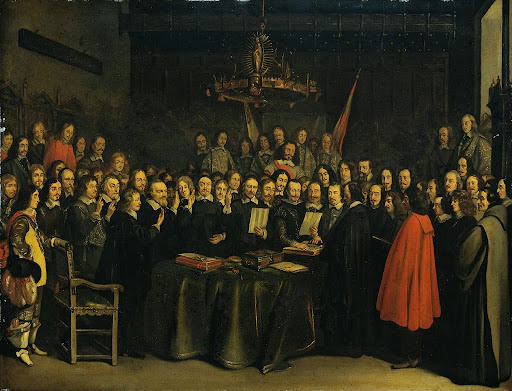
Peace of Westphalia
Committee Description
For the past three decades, Europe has been at war. The Four Horsemen roam the plains of Germany and rise across the Pyrenees and Alps. The streets reek of starvation and slaughter. The devastation and schemes between both sides has fundamentally changed the face of European diplomacy. Starting as a conflict between Catholics and Lutherans within the Holy Roman Empire, as more and more powers joined, the conflict soon took on a new face. This culminated in the Treaty of Bärwalde, where Catholic France agreed to provide aid to Lutheran Sweden against the Catholic Habsburgs, turning the conflict from a religious struggle to a geopolitical one. With this, any peace negotiation must now not only contend with religious rights, but also the ideas of sovereignty and national interest. It is now up to you, delegates to ensure that in the end, a long reign of peace takes over after the destruction.
Within this committee, delegates will experience the formation of modern geopolitics, giving them a grasp on the development of international relations today.
Topic A – The New Imperial Constitution
The Peace of Augsburg and the Golden Bull of 1356 had been the central treatises on religious and political authority within the Holy Roman Empire respectively. Now, it is evident that they alone cannot maintain stability across the Empire. The key tenets of the Augsburgian Settlement must be reformed, along with the status of the Calvinist faith, must be reformed for any sort of peace. Furthermore, delegates will have to navigate the political authority of minor princes and prince-electors as the war further separates the protestant princes from Habsburg authority. However, with the current absence of one central authority, others may decide to reach deeper into imperial affairs.
Topic B – A Balancing Act
The Treaty of Barwalde and the subsequent agreement at Compiegne has now forever changed the face of European diplomacy. Now, with the end of the war, all agreements must consider the possibility of hegemony from the Great powers of Europe. Thus, as delegates resolve territorial disputes, distribute war reparations, satisfy the varying war aims of its belligerents, and finally bring peace to the continent, they must also consider how it may impact the balance of powers. Behind the balance, however, should always remain a keen understanding of their nation’s interests and ambition to pursue them.
Dais
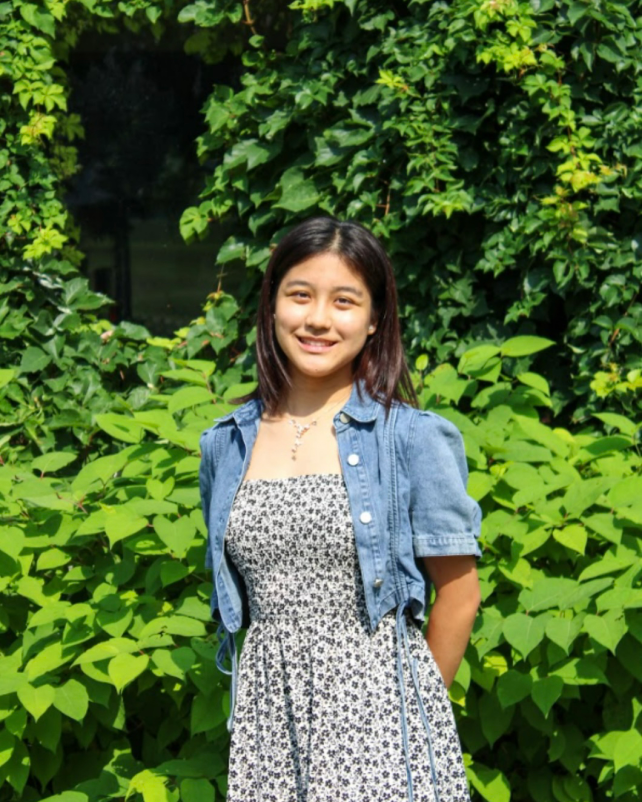
Yuqing Zhou
Director
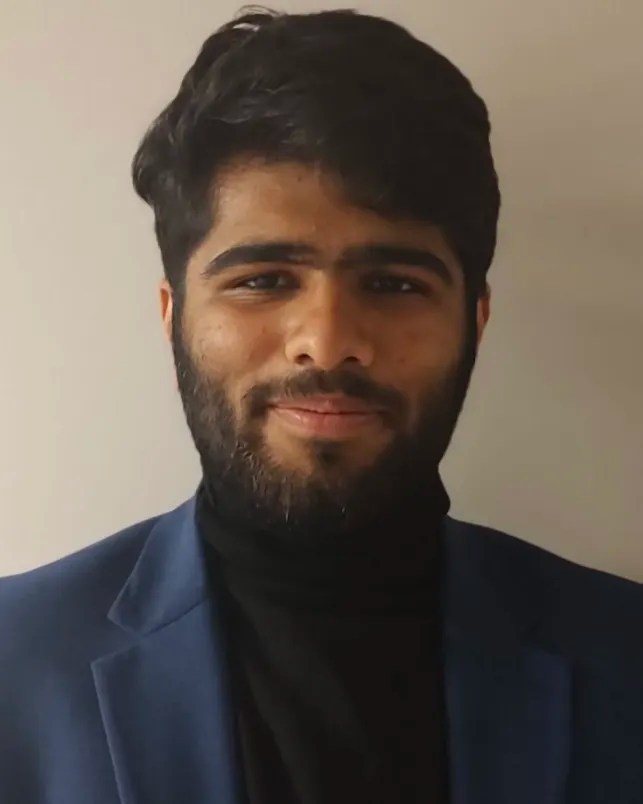
Sannidhaya Verma
Assistant Director

Raahill Hassan
Chair
 Canada Model United Nations