
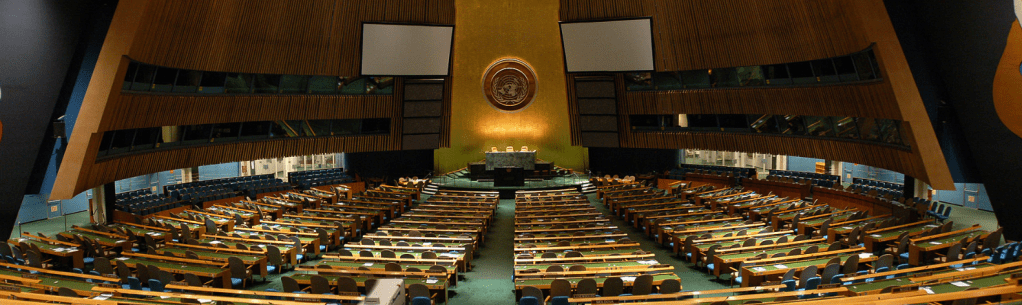
Special Political and Decolonization Committee
Committee Description
The year is 1965, and many territories in Africa have declared independence from their European colonizers. With newfound nations popping up left, right, and centre, the world now ponders: what is next? Africa is a continent with natural resources abundant on every corner, fertile land whose harvest could feed billions, and with these areas now being controlled by independent entities, not Europe’s powers, it leads to unimaginable possibilities. The world has never been this free before; however, this could lead to new interests putting their eyes on Africa. The future of the African continent is at the heart of this debate; how will SPECPOL shape it?
Post-Independence, Economic Influence and Political Sovereignty are the main issues on the table. The new nations will face many challenges, such as establishing stable political institutions, securing economic autonomy, and navigating the Cold War competition for influence. Other nations will be looking in, trying to see how they can make allies of the new nations. The crucial task is deciding how to transition from economies focused on resource extraction to systems built for national development. This involves setting up trade for Africa’s abundant resources and ensuring control over land and strategic assets. Will SPECPOL champion policies that protect the political independence of these states and support their right to shape their own future, free from external coercion? Or will we result in a familiar situation, with external powers vying for control?
Topic A – Economic Influence
Newly formed African nations face the urgent task of establishing stable and self-sustaining economic systems. While these nations seek to build their own paths toward development, former colonial powers, multinational corporations, and foreign governments continue to exert a significant influence on economic decision-making. This topic explores how the newly formed nations will go about their own economic business with the guidance of nations outside of Africa. Discussions will be on other countries’ influence on Africa’s economic systems through help and/or harm, and solutions in support of African nations’ economic growth in a fair and independent way.
Topic B – Political Sovereignty
The question of political sovereignty is more urgent than ever. While these states now hold control over land, resources, and governance for the first time, their independence from their European colonizers is ultimately fragile. Establishing legitimate governments, preventing external coercion, and resisting Cold War power competition will be central challenges. Nations across the world will attempt to influence political systems and access resources for their own gain. SPECPOL must ultimately decide whether it will uphold the right of African nations to self-determination and protect their autonomy or enable a new era of foreign domination under a different disguise.
Dais

Federico Rizo – Cubillos
Director
Contact: federicocubillos1@gmail.com
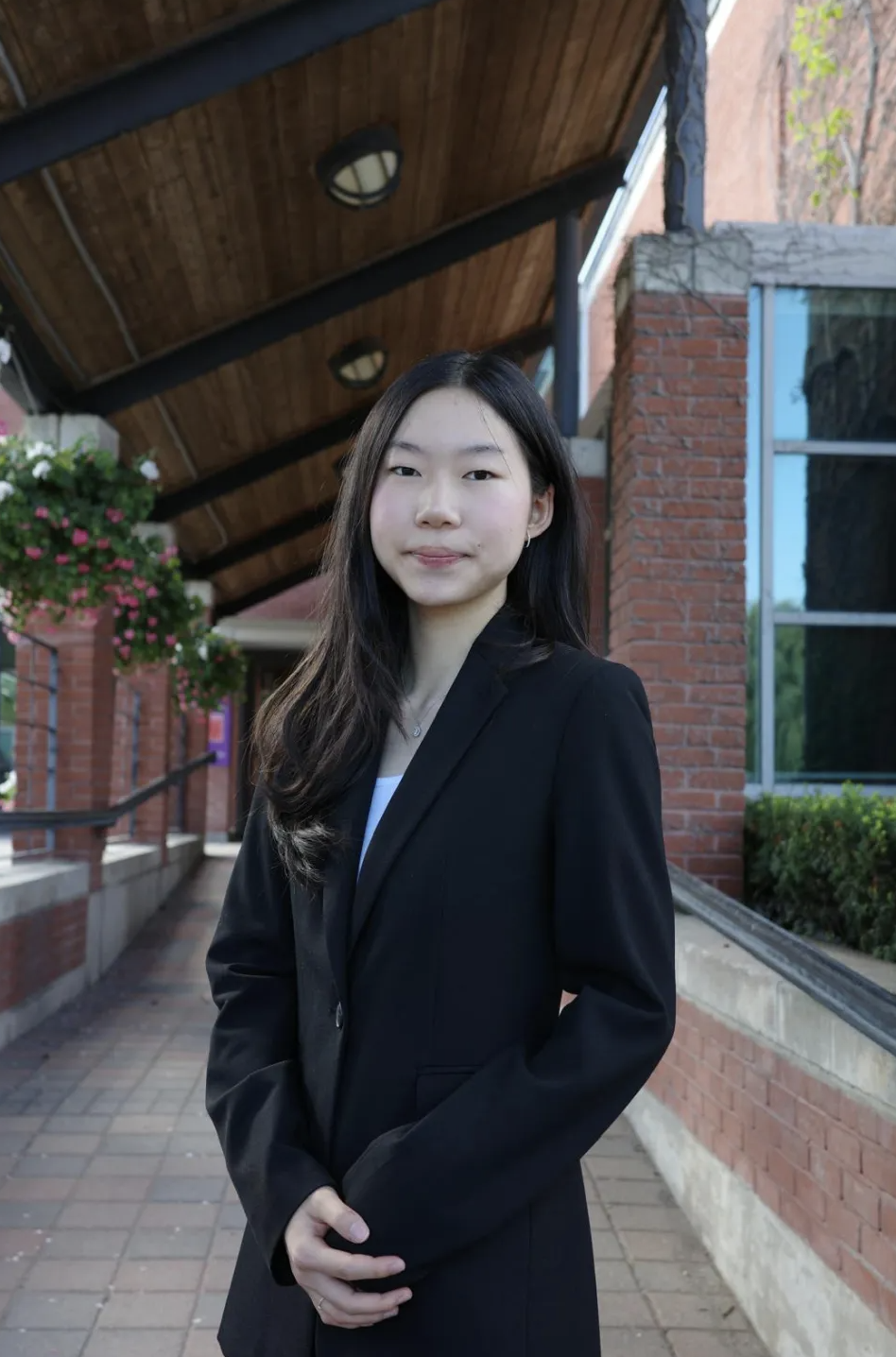
Abigail Lee
Assistant Director
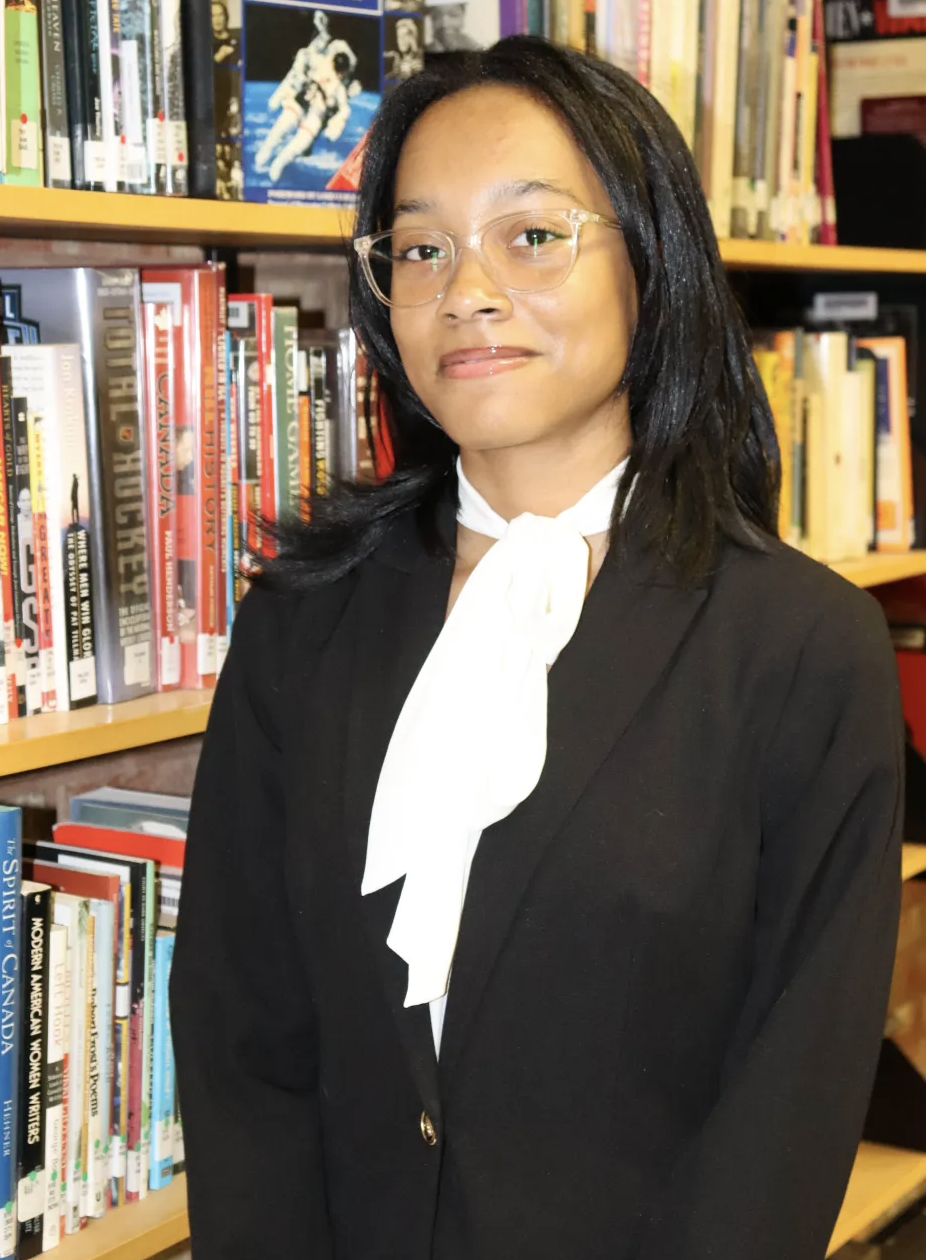
Emily Turner
Chair
 Canada Model United Nations