
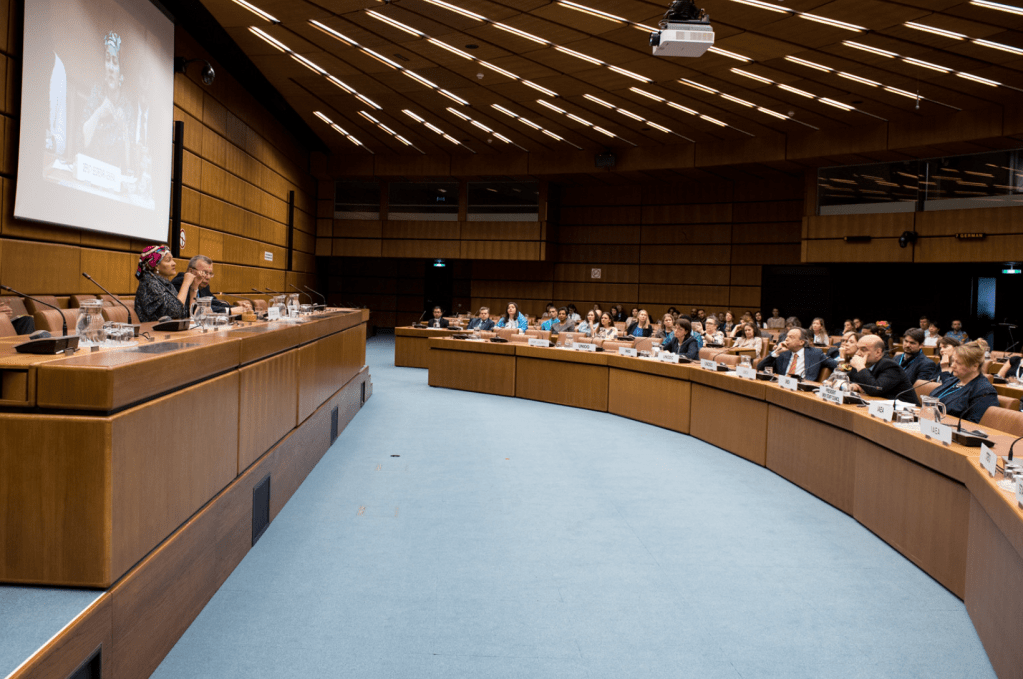
United Nations Office of Drugs and Crime
Committee Description
According to the WHO, approximately 125 000 people die due to opioid overdoses every year. This number does not account for non-fatal opioid overdose. Worldwide, about 600 000 deaths annually are attributable to drug use, 80% of which have a tie to opioid use. These figures demonstrate the significant public health challenges posed by opioid use and the need for coordinated international action.
The opioid crisis came in three waves, starting with over-prescribing opioids in the 90s, followed by heroin usage in the 2010s, and now at its peak with synthetic fentanyl and polysubstance use. Due to both illegal drugs and prescriptions, the amount of opioid use has never been so high. Today, the crisis extends beyond individual drug use, encompassing illicit trafficking networks, unequal access to healthcare, inadequate addiction treatment, and the challenges of regulating potentially life-saving medications. While opioids remain essential for pain management, surgery, and palliative care, their misuse and unregulated distribution can have devastating consequences. How can a middle ground be established where people who need medication can easily get them, while preventing abuse and misuse of the drugs?
Topic A – Global Public Health Responses and Access to Essential Medicines
Opioids play an essential role in modern medicine, particularly in pain management, surgical procedures, and palliative care, however, the risks of dependence, misuse, and overdose have led to significant challenges. Specifically in determining how these substances should be prescribed, distributed, and regulated. Stricter prescriptions, though they may prevent misuse, may leave patients without the right pain relief, especially in areas with already restricted medical care. Meanwhile, individuals experiencing opioid dependence often face barriers to treatment, including financial barriers, limited healthcare support, and social stigma. How can the international community encourage effective and accessible treatment while respecting national circumstances?
Topic B – Combating Illicit Synthetic Opioid Trafficking and Strengthening International Drug Control
The emergence of synthetic opioids, particularly illicitly manufactured fentanyl, has significantly transformed the global drug market. Due to the ease with which certain substances can be produced and transported in small quantities, these drugs present great challenges for law enforcement and drug control. Illicit opioid supply chains can span more than one country, involving the production of synthetic substances and the distribution of drugs through both pre established smuggling networks and online marketplaces. This creates countless challenges when it comes to forming an international response and coming to a consensus. Governments need to find a way to manage border security, disrupt trafficking networks, regulate precursor chemicals, and improve information-sharing without obstructing legitimate pharmaceutical needs or scientific research. Although international cooperation is essential, delegates must also consider the limitations of their approaches and the importance of addressing the demand for these substances.
