
WHO
Committee Description
The World Health Organization (WHO), established in 1948, is a United Nations committee dedicated to promoting global health, coordinating international responses to disease outbreaks, and advancing access to equitable healthcare. As the world continues to evolve socially and technologically, the WHO faces new challenges in ensuring the ethical, safe, and sustainable delivery of medical care across borders. This committee aims to address the many issues faced by societies around the world today. From examining the need to cross continents to receive medical attention (cross-border medical tourism), to understanding how genetic engineering will impact the field of medicine, through comprehensive debate and negotiation, delegates will work to uphold the WHO’s mission of ensuring universal health coverage and advancing global well-being in an era of rapid technological and medical transformation.
Topic A – Cross-Border Medical Tourism
Our movement is influenced by needs, and if a place fails to satisfy them, we move. Cross-border travel has always had its purpose and intents, but now, access to healthcare is becoming one of them. People cross international borders to find healthcare of better quality, lower costs, faster wait times, or access to treatment that is unavailable in their host nation. Delegates will be put to the test against the complex domain of international healthcare, shaped by continuous globalization, inequalities, and inconsistent regulations. As delegates, you have just been presented with a massive healthcare jigsaw—it is up to you to piece together the fragmented policies and services between each nation.
Topic B – Genetic Engineering
If engineering built humanity, why not build humans too? Genetic engineering allows for deliberate modifications to the DNA of organisms, including humans, and has gained increased traction in scientific research and international discussion. Such technology is already used in agriculture and medical fields, with new developments like CRISPR that may one day revolutionize healthcare. Delegates are presented with complex dilemmas: do the benefits of genetic engineering outweigh the harms? How should we develop these technologies, and who should benefit? Should we even invest in genetic engineering in the first place? Amidst the existing global inequality in healthcare and growing concern about the safety of new technologies, every part of science, politics, and ethics is at play.
Dais
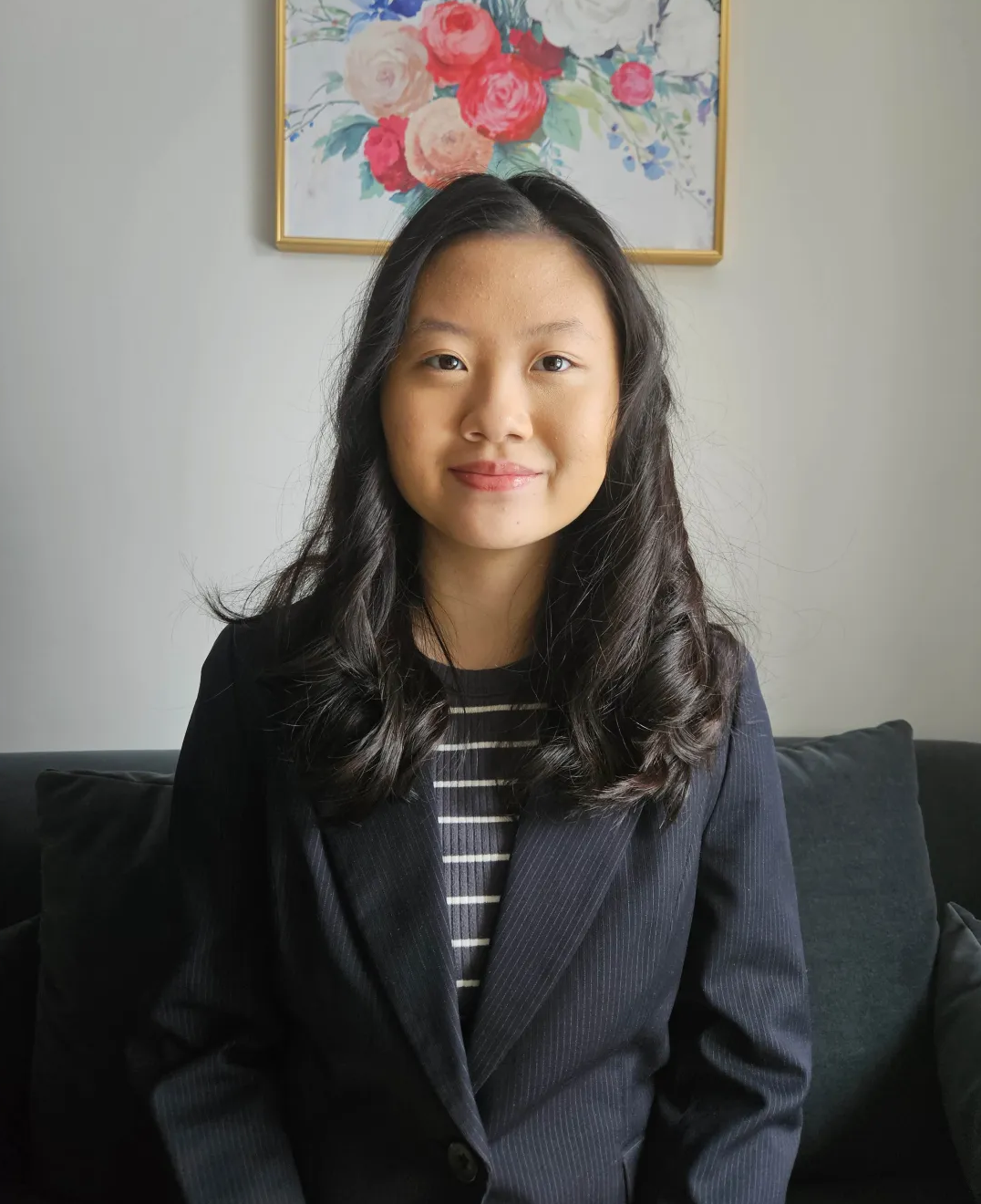
Lydia Liu
Director
Contact: lydialiu1618@gmail.com

Nathan Wang
Assistant Director

Angela Huang
Chair
 Canada Model United Nations